
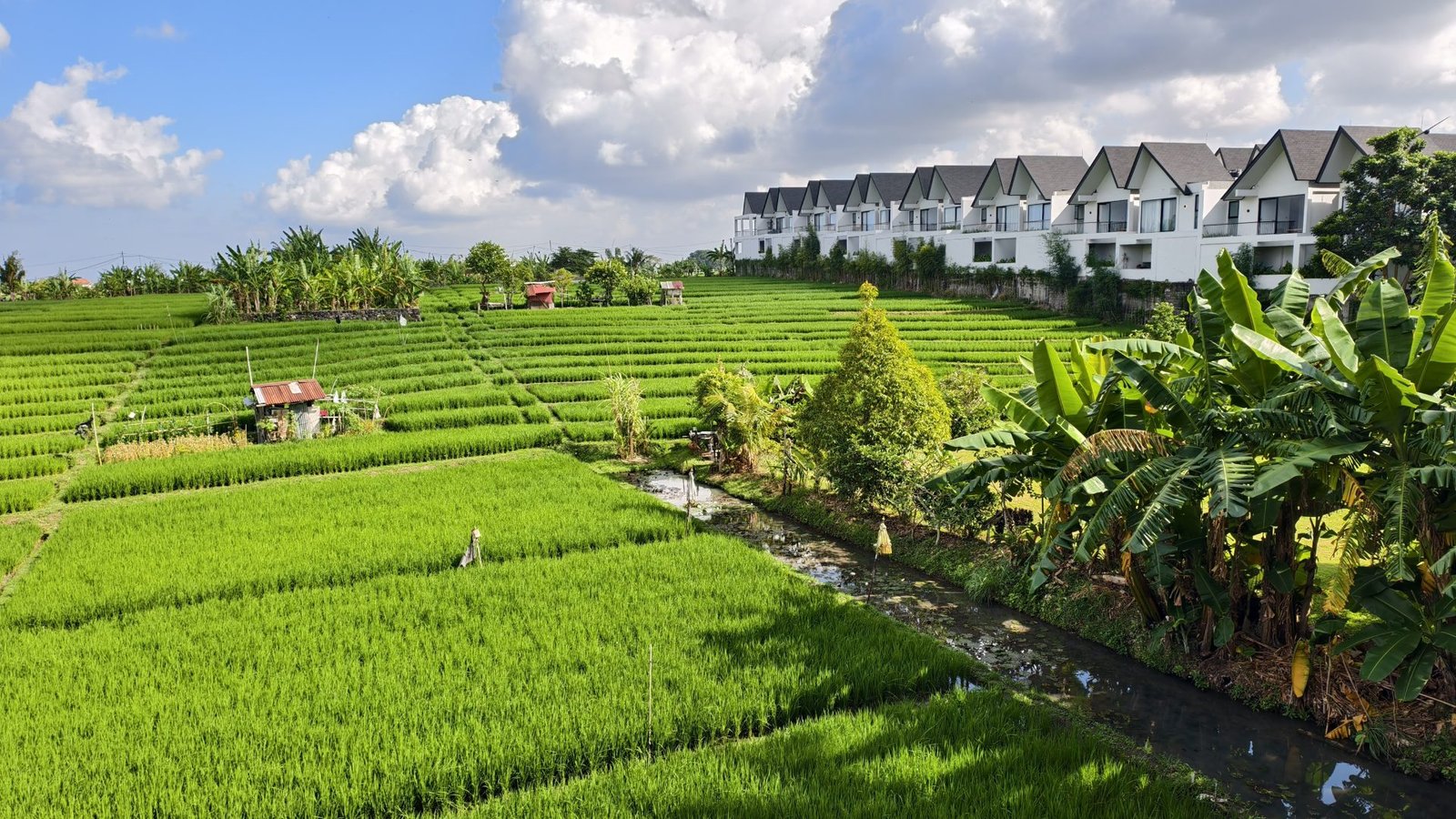
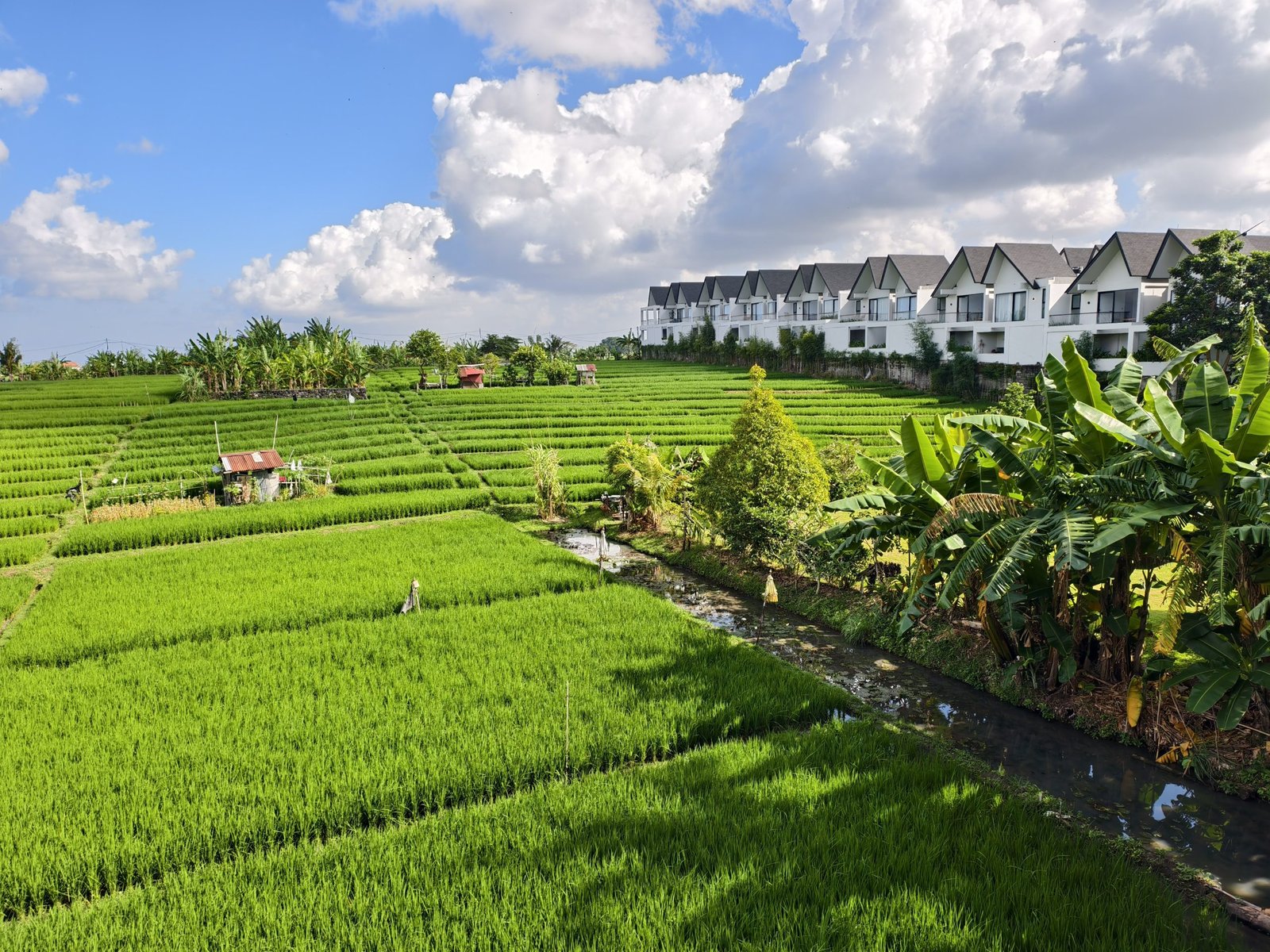
Is Bali Still Worth Visiting in 2026?
After years of hesitation, Bali still won me over. This is my honest take on Bali after years of actively avoiding it, covering everywhere I went recently (Canggu, Sanur, Ubud, Nusa Penida and Gilli T) plus a handful of places worth considering.
For years, I actively avoided Bali.
I briefly passed through in 2019, as part of a much bigger Southeast Asia trip. I made a conscious decision to skip it and go to Langkawi instead.
My reasons for staying away since were manifold, but especially post-Covid, Bali seemed to have become overly saturated with Westerners, particularly nomadic Europeans and Australians, on top of the usual tourist crowds. It felt overdone. Not authentic. A cliche bordering on off-putting, and one I had little desire to spend time or money on.
Instagram didn’t help either.
Same white guy shot in an infinity pool. Same breakfast-floating-on-a-tray-in-the-pool photos. Same “reflection gate” pose that isn’t even a real reflection, just a mirror someone’s holding under the camera. I’d seen it all a thousand times before I ever set foot on the island, and somewhere along the way that stopped making me curious and started making me not care to check it out for myself at all.
I eventually gave in this year. Some Canadian friends were passing through as part of a bigger Asia trip, and we agreed to meet up in Bali. Part of what pushed me over the line was that the trip coincided with the World Cup, and I hoped that would keep numbers down even in what’s normally peak July season.
That bet paid off.
My verdict: This was a genuinely pleasant trip, and even Ubud, which I remembered as heaving back in 2019, felt calm and easy to enjoy this time. But the oversaturation I’d been avoiding is real in the wrong spots, and if I were doing this again, I’d think harder about which towns I actually spend time in.
Ubud and the Nusa Islands / Gilli T get their own dedicated guides, so I’ve kept those sections brief here.
Canggu
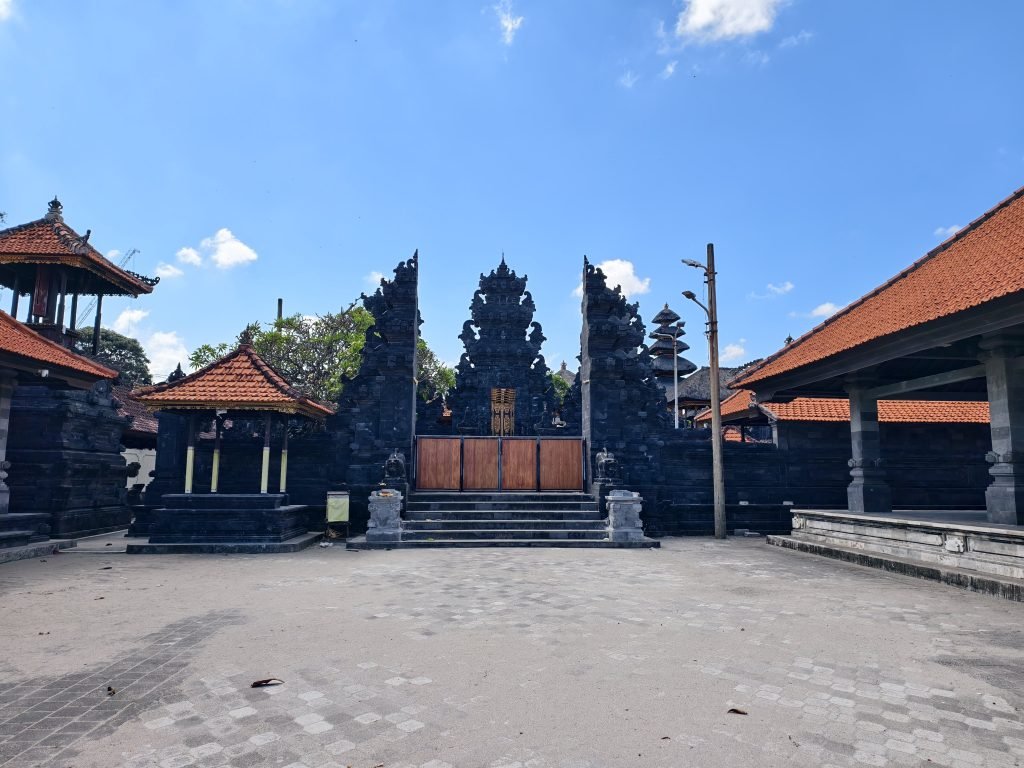
Canggu was, for me, the most overrated stop on the whole trip.
I only spent two days there, and I was happy to leave by the second.
The town is clearly built for the expat and digital nomad crowd, and it shows. There’s no shortage of cafes, co-working spaces, restaurants and bars, and the amenities are properly impressive if that’s what you’re after.
But it isn’t for me. It felt busy in a way that had nothing to do with authentic Bali and everything to do with a very specific imported lifestyle, and the beaches disappointed me, especially compared to what I’d already seen on the islands…
The thing that saved the leg was where I stayed.
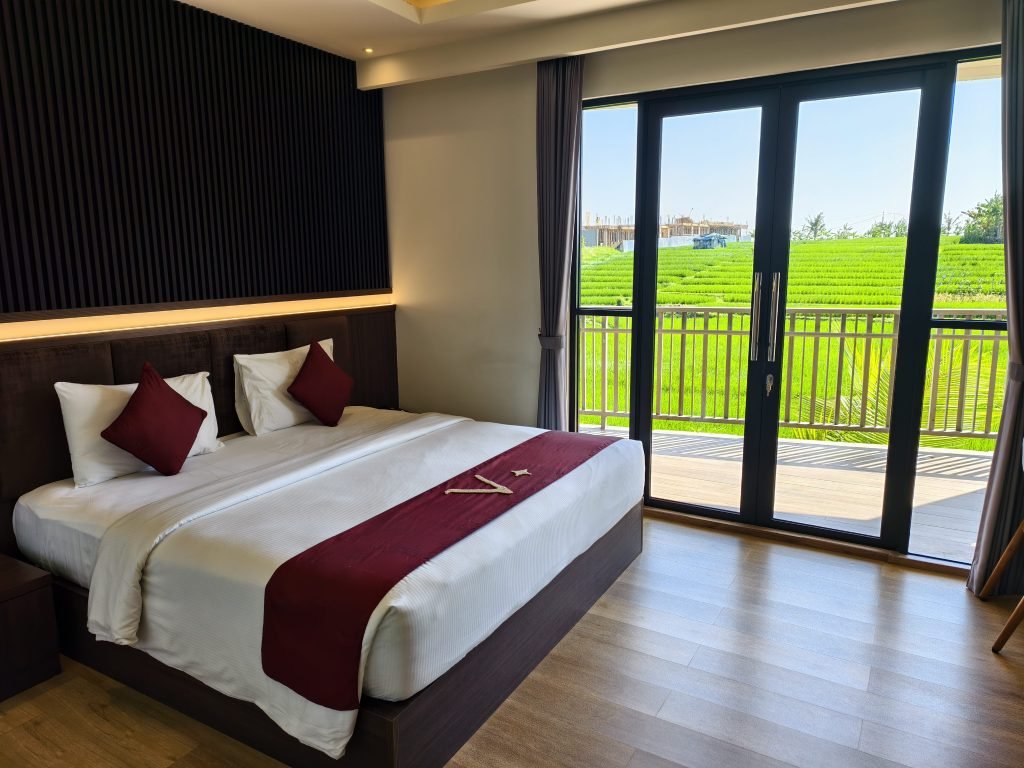
I based myself just outside Canggu proper, in a spot with rice terrace views, and it was probably the accommodation call that saved the trip given how little I warmed to the town itself…
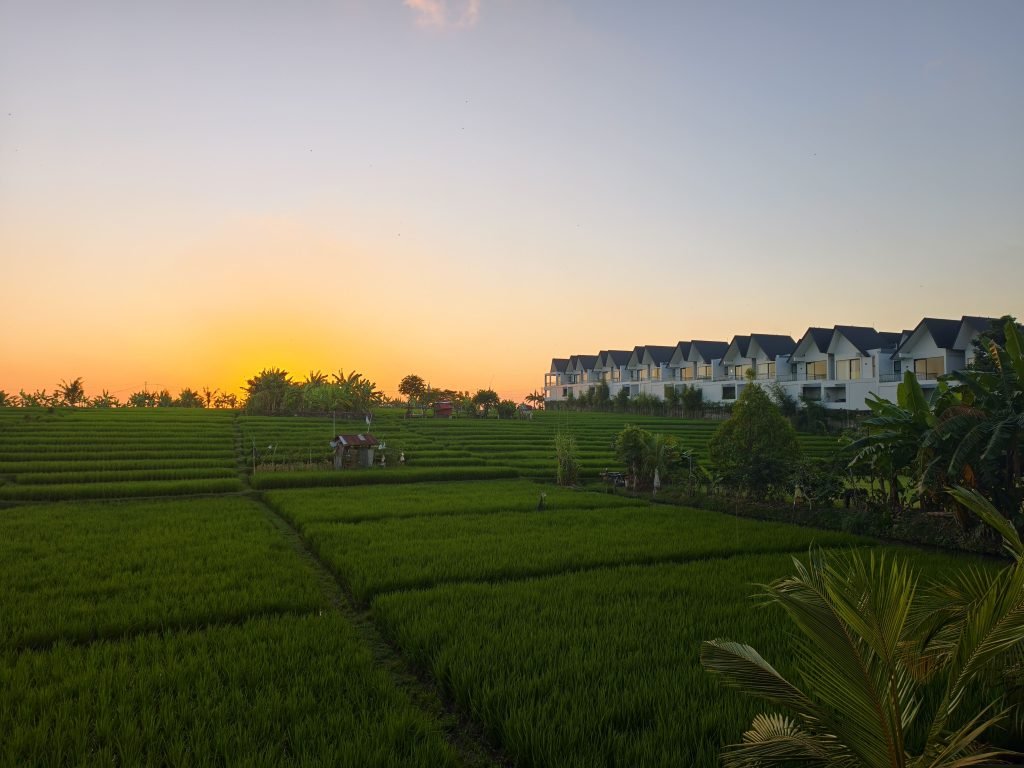
What Canggu Is Known For
Canggu has legitimately earned its reputation as one of the best cities in the world for digital nomads, with coworking spaces, fast wifi and a large international community that isn’t going anywhere.
The surf beaches, Echo Beach and Batu Bolong, are black sand with beginner to intermediate breaks, and Berawa is the quieter option if you want the beach without the crowd. The beach club scene is a big part of the appeal here too: FINNS for the big waterslide-and-party version, La Brisa (built almost entirely from reclaimed fishing boats) for something more boho, and The Lawn or Cafe del Mar if you want it a notch calmer.
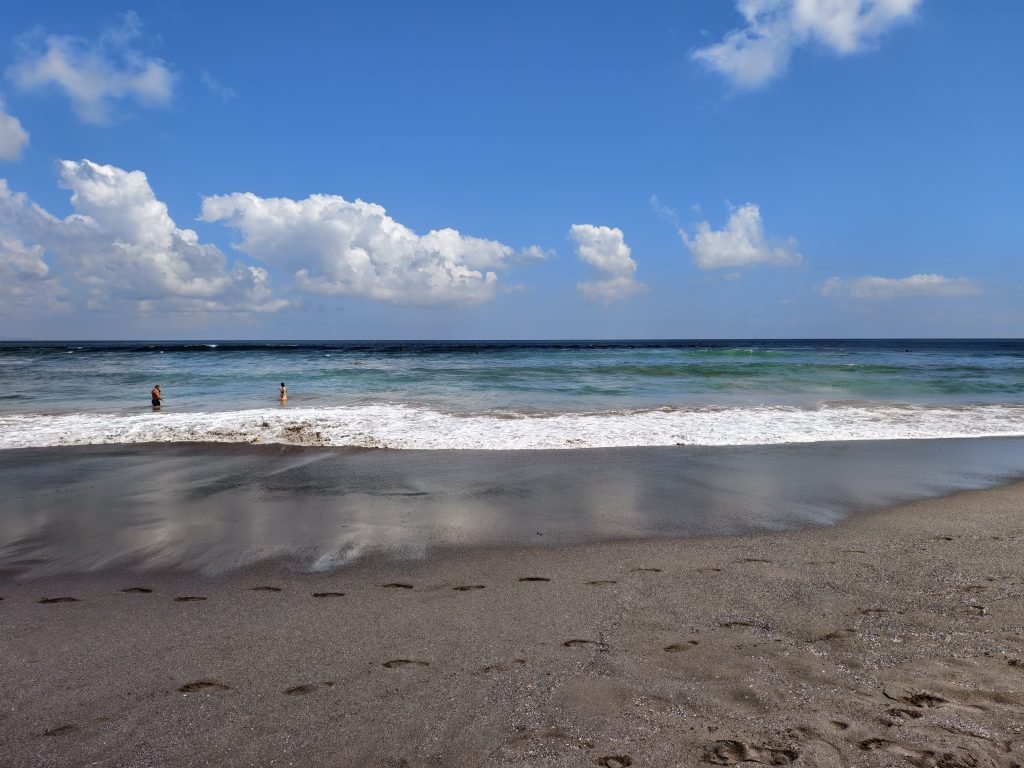
The town itself splits into three areas: Berawa (beach clubs, more polished), Echo Beach (surf, chill), and Pererenan (the quieter, next-up neighbourhood a bit further out).
Wander Up Front tip
Canggu sits around 45 to 70 minutes from the airport depending on traffic, and traffic here isn’t a minor inconvenience, it’s a genuine planning factor. If nightlife and cafe culture aren’t the priority, Uluwatu or Sanur are worth weighing up as an alternative base instead.
Ubud
I first passed through Ubud in 2019 and found it overwhelming enough to cut my visit short. This time I came back to give it a fair try, and I was wrong to have written it off. It felt far more manageable, still touristy, but nowhere near the tourist-overrun town I remembered.
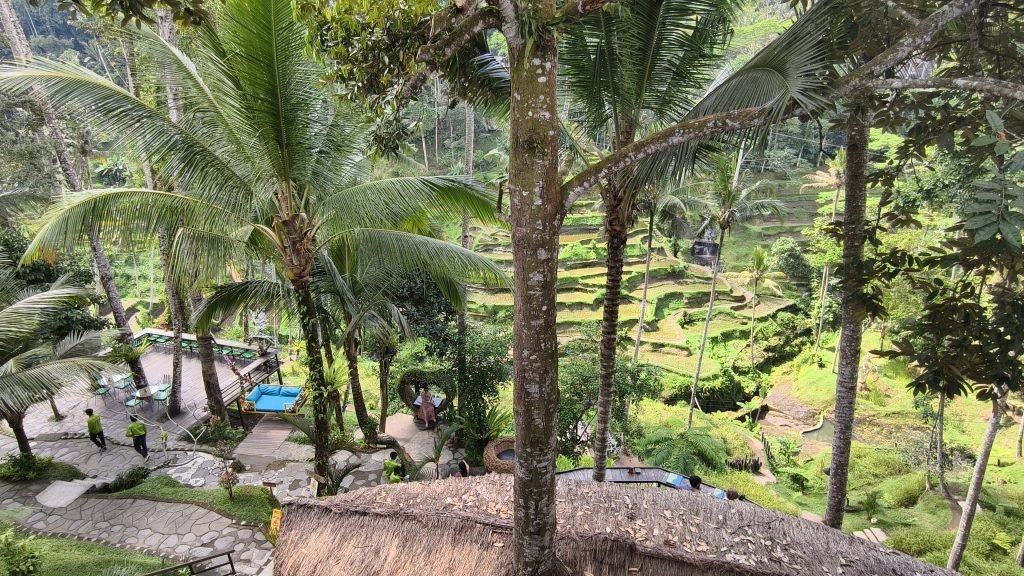
What surprised me most was how much it still felt like a genuine village in parts. Small roads. Plenty of potholes. An atmosphere that read as authentic rather than manufactured for visitors, even within Ubud proper.
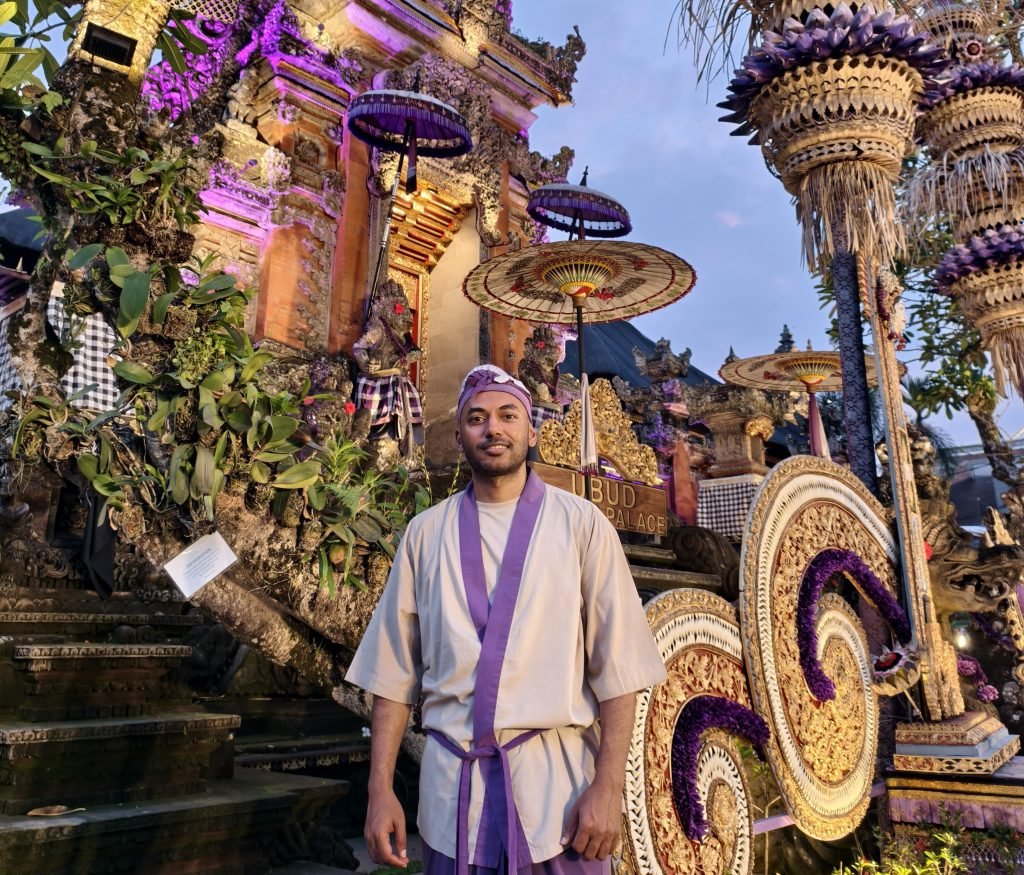
Temples are everywhere, sometimes on almost every corner, often with incense burning outside that drifts gently into your path and adds real atmosphere to just walking around.
The Sacred Monkey Forest Sanctuary is more than just monkeys, over 180 species of trees and plants across a 12.5-hectare forest, with three working temples still used for worship inside it. And the Ubud Water Palace, visited just before sunset with barely anyone else there, was one of the most spectacular things I saw on the whole trip, a lotus pond and sandstone carvings lit up as the light dropped.
There’s no shortage of things to do beyond that either, rice terraces, waterfalls, local markets, a proper kopi luwak coffee tasting (with a welfare angle worth knowing before you book one), and massages on what feels like every corner, ridiculously cheap compared to Europe and worth treating yourself to daily.
I was wrong about Ubud, and the full story, plus some things I ate and stayed, is in the dedicated Ubud guide.
Nusa Penida
I spent 6 days on Nusa Penida, based near the harbour on the busier north side, which suited me well as a solo traveller since it made it easy to meet people.
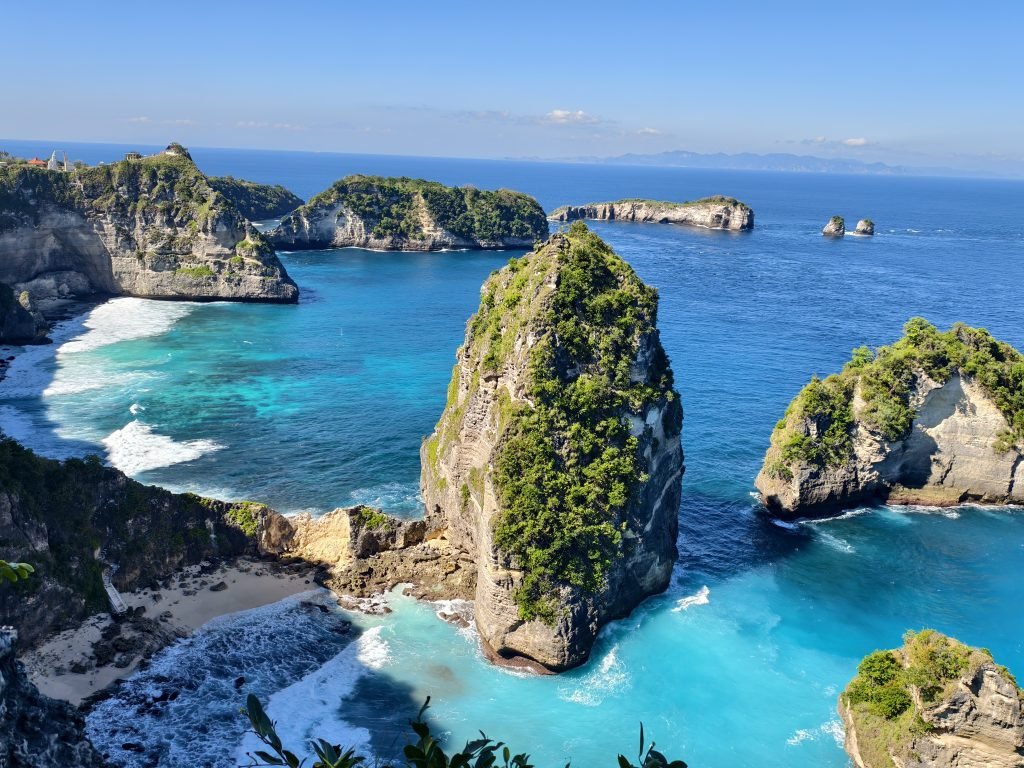
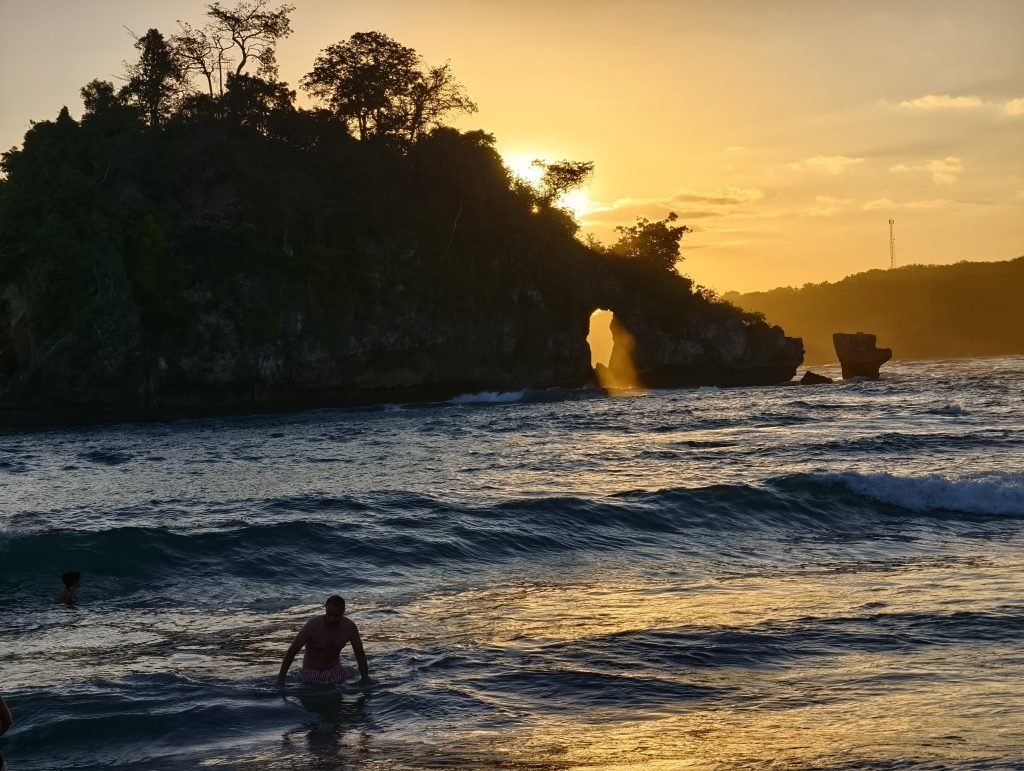
Diamond Beach, Kelingking Beach, and a full moon party all featured, along with genuinely incredible sunsets and a good local food scene.
Wander Up Front tip
Getting around Nusa Penida isn’t straightforward, there’s no Uber-style ride service, so it’s either a private driver or hiring your own scooter, and the roads are winding enough that it’s worth thinking about if you’re not confident on a bike.
Wander Up Front tip
If you wear contact lenses, be careful in open water around the islands. I had a scare in Nusa Penida after getting caught by choppy water while not intending to swim properly, which led to a scratched eyelid and a week of antibiotic ointment. The sea around the islands is rarely calm, so it’s worth being cautious even if you’re just wading.
Full story, and everything else, in the dedicated Nusa Penida guide.
Gilli Trawangan
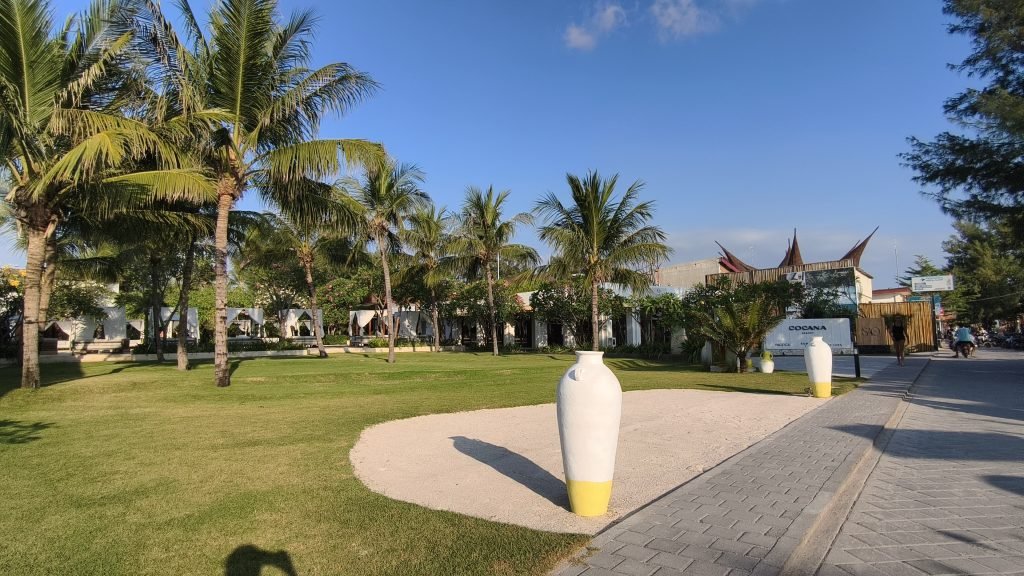
I took a smooth 2.5-hour boat from Nusa Penida to Gilli T with people I’d met there, planning three days before moving to another Gili island, and ended up staying the whole time because I was enjoying it too much to leave.
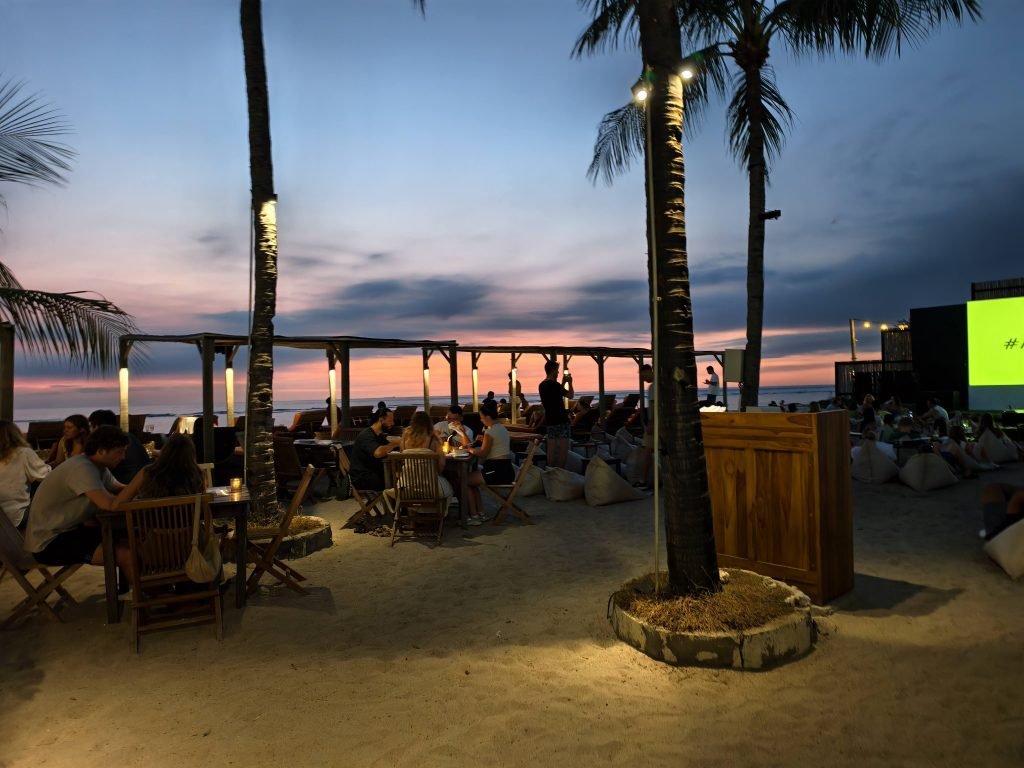
It’s known as the party island for good reason, buzzing nightlife most evenings, but the days were just as good: beach time, an outdoor beach club movie night with a sunset behind the screen, hiking to watch the sunset, and no traffic on the island at all since it’s e-bikes and bicycles only.
Full story, and everything else, in the dedicated Gilli T guide coming soon.
Sanur
Sanur is likely somewhere you will go through on transit to/from other island. I only passed through Sanur for the day..
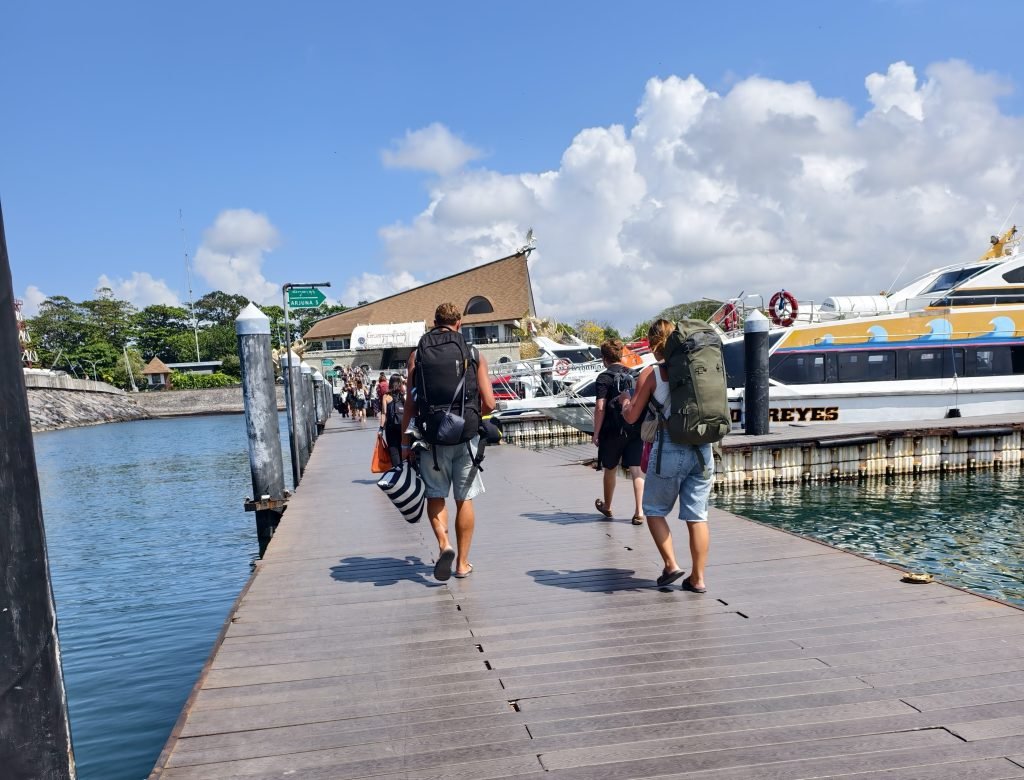
My honest first impression was that it looked pleasant and busy, but nothing especially unique compared to everywhere else I’d been.
Digging into it a bit more since, there’s actually more going for it than a day trip does justice to, particularly if what you want is a calmer base than Canggu without giving up amenities entirely.
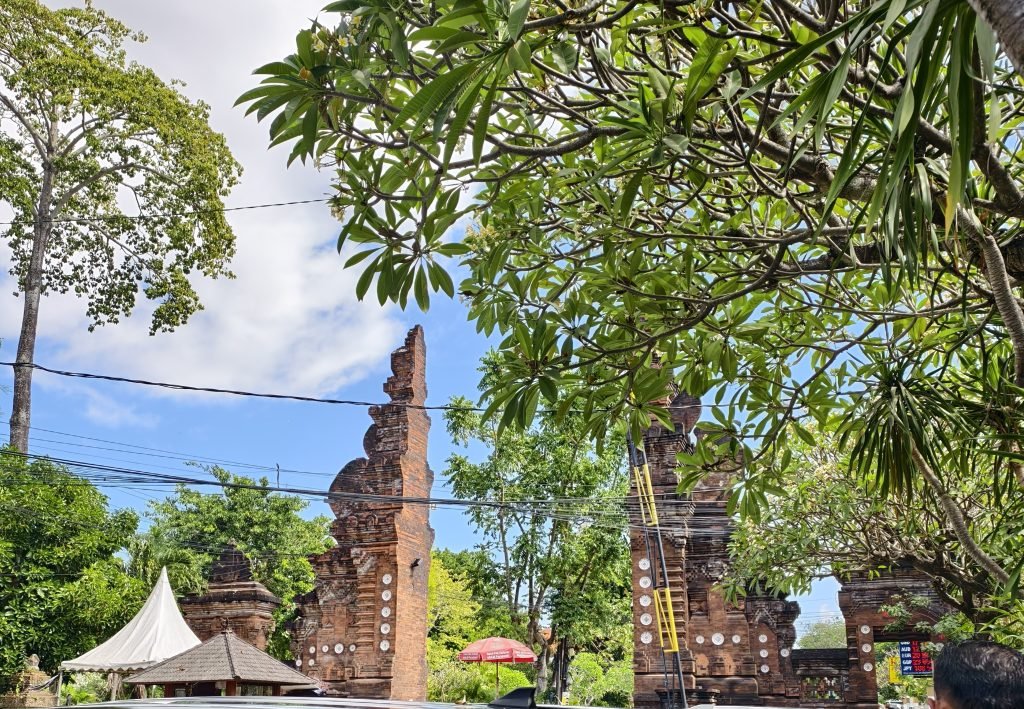
Sanur is one of Bali’s original tourism hubs, and unlike Kuta or Canggu, it never fully tipped into party-town territory. There was no shortage of bars and restaurants by the sea here.
It faces east, which makes it one of the few places in south Bali where you can watch the sun actually rise over open water rather than over land, with traditional fishing boats (jukung) moored offshore and Mount Agung visible on a clear morning. The stretch between Jalan Hangtuah and Jalan Segara is the best spot for it, from around 5:45am.
Things to Do in Sanur
The Beach Promenade
An 8km beachfront walk or cycle, passing cafes, beach bars, art stalls, and fishing boats launching at dawn. Genuinely one of the better walks on the island.
Practical information
Best time: Morning (6-9am) or late afternoon (4-6pm), cooler and far fewer people than midday.
Pura Blanjong
A small but historically significant temple housing the Blanjong inscription, a stone pillar dated to 914 AD. Takes 10-15 minutes but gives real context to Bali’s older history.
Practical information
Entrance: Free, dress respectfully and keep your voice down.
Le Mayeur Museum
The former home of Belgian painter Adrien-Jean Le Mayeur and his Balinese wife, now a small gallery and garden. Worth an hour if you like art or local history.
Sindhu Night Market
Street food, local atmosphere, and one of the better casual food stops in the area.
Practical information
Payment: Bring small cash, most stalls don’t take cards.
Wander Up Front tip
Sanur is Bali’s main departure point for the Nusa Islands. Fast boats to Nusa Penida, Nusa Lembongan and Nusa Ceningan leave daily from Sanur harbour (Pelabuhan Sanur, near Jalan Hang Tuah), with Nusa Penida around 45-60 minutes away. If you’re planning to island-hop, basing yourself in Sanur for a night either side cuts out a lot of unnecessary cross-island travel.
Worth Considering
These are spots I haven’t visited myself yet, but that come up constantly and deserve a fair mention.
Mount Batur
Bali’s most accessible volcano hike, an active 1,717m volcano in the Kintamani highlands, usually done as a guided pre-dawn trek starting around 2-4am, roughly 1.5-2 hours up a well-marked, non-technical path to catch sunrise over Lake Batur and Mount Agung. I’ve been lucky enough to have done several volcano hikes around the world, so this was not high up in my priority to do in Indonesia.
Most tours include coffee and breakfast at the top and often add the Toya Devasya hot springs afterwards, around USD 75-110 all-in.
Should you go? If you’re spending 5+ days in Bali and don’t mind an absurdly early start, yes, it needs no hiking experience and is genuinely one of the better adventure activities on the island. Skip it if a short trip means the early departure would wreck the rest of your itinerary.
Uluwatu
The southern tip of the Bukit Peninsula, and in most ways the opposite of Canggu: dramatic clifftop scenery, some of Bali’s best surf breaks, and a slower, more spread-out pace rather than a walkable town centre. Beaches like Padang Padang, Bingin and Suluban sit beneath steep cliffs.
Uluwatu Temple sits right on the clifftop. Pricier on average, USD 150-300+ a night cliffside, though inland guesthouses still go for USD 25-40.
Should you go? If you want the postcard version of Bali, cliffs, dramatic sunsets, proper surf, and a slower, more romantic pace, this is the closer match than Canggu. Suits couples and confident scooter riders better than solo first-timers.
Nusa Lembongan
The smaller, calmer sibling to Nusa Penida, roughly 8km² and a 30-minute fast boat from Sanur. Paved roads, swimmable beaches (Dream Beach, Mushroom Bay, Jungut Batu), and an easier pace than Penida. Connected to Nusa Ceningan by the Yellow Bridge, so the two are usually covered together.
Good snorkelling at Mangrove Point.
Should you go? If Nusa Penida sounds like too much doing and not enough switching off, Lembongan is the antidote, better for families and less confident riders. If you’ve only got time for one Nusa island and want the dramatic scenery, Penida still wins out.
Lombok
Bali’s neighbour to the east, roughly 3-4 hours by boat, less by flight, and consistently described as feeling like “Bali a decade or two ago.” Noticeably more budget-friendly (USD 30-60 a day versus USD 50-100+ in Bali), less developed, and home to Mount Rinjani, a serious multi-day trekking draw, plus its own Gili Islands and some of Indonesia’s most unspoiled beaches.
Should you go? If Bali’s oversaturation is exactly what’s putting you off, Lombok is the more obvious answer than hunting for Bali’s remaining quiet corners. A genuine extension trip rather than a replacement, most people do 4-5 days minimum.
Komodo
Not really a Bali destination so much as a trip that starts from it. Liveaboard trips typically run 2-3 nights minimum on a shared open-platform boat, departing from a flight to Labuan Bajo. Expect Komodo dragons, manta rays, and some of Indonesia’s best diving, plus spots like Pink Beach and Padar Island.
Should you go? Only if you have the extra time and a genuine interest in diving, wildlife, or a proper unplugged boat trip. It’s a dedicated multi-day detour, not a quick add-on.
Practical Bali Travel Tips
The Traffic Is Genuinely Bad
This isn’t a minor gripe, it shaped several days of the trip. My first night, the airport to Ubud transfer took over an hour and a half.
Transferring back from the islands, Sanur to Canggu took over 3 hours in total, including more than an hour stranded at the pickup spot after several drivers cancelled on me 10-15 minutes in. Locals told me this happens because drivers sometimes cancel rather than commit to a route they know is about to hit heavy jams. I eventually flagged a cash taxi at roughly double the app rate, and it still took almost 2 hours to cover 13km.
Wander Up Front tip
Build serious buffer time into any cross-island transfer, especially around peak hours or if you’re connecting to a boat.
Island-Hopping Fees Add Up in Hassle, Not Cost
Every single island crossing comes with a separate embarkation and disembarkation fee on top of your boat ticket, and you pay it again each time, even returning to an island you’ve already visited.
The amounts are small, typically USD 2-3, but it’s cash only, involves queuing, and adds a layer of friction that feels unnecessary on top of the tourist levy you’ve already paid to enter Bali. Keep a stash of small IDR notes specifically for this.
The Bali Tourist Levy
Every foreign visitor pays a one-time IDR 150,000 (roughly USD 10) tourist levy, separate from your visa fee, via the official Love Bali portal (lovebali.baliprov.go.id) or at the airport on arrival. It’s paid once per trip, not per island hop. Watch out for scam third-party sites, the only legitimate domain ends in .go.id.
Health and Travel Insurance
I had a scare in Nusa Penida after a scratch to my eyelid from choppy water while wearing contacts, and it’s worth flagging here because it’s genuinely easy to overlook.
The nearest medical centre was a short walk from where I was staying, and the doctor there diagnosed and treated it, but it cost noticeably more than equivalent treatment would in Malaysia, Vietnam, or Thailand, and came in just under my travel insurance excess, meaning nothing to claim back.
Make sure your policy covers water-based activities and check your excess level before you go.
E-Sims
You are going to need data to get around anywhere these days and there is no shortage of e-sim providers on the market. I’ve extensively used Airalo and Saily over many years. However I bought a multi-country South East Asia e-sim for this trip as I was travelling in Singapore and South Korea in the same trip.
Whilst I had no issues with the e-sim in Bali to Nusa Penida itself, it was a different story in Gilli T! Where my esim did not work at all! I met some people who also had similar issue, but then people who had Indonesia specific eSims, had no issue! So perhaps these multi-country esims do not cover all the bands that a country might have !
What I Loved
Nature is still the trump card here.
Rice fields, volcano hikes, forests and wildlife, pristine beaches, world-class surf and diving, proper party scenes and proper peace-and-retreat scenes. Bali genuinely has all of it, and the range of traveller it caters to is just as broad, from budget backpackers to ultra-luxury and everything between.
Food was consistently good, with a decent mix easy to find almost everywhere, though quieter areas can be more limited. Service culture was solid throughout, in line with what you’d expect across Southeast Asia generally.
Bali Scorecard
Wander Up Front Reality Check
Don’t come to Bali expecting the Bali of a decade ago, or the Bali you’ve seen a thousand times on Instagram. Both versions are real, and which one you get depends almost entirely on where you choose to spend your time. Avoid the most nomad-heavy towns if that’s not your scene, and there’s still a genuinely good trip here.
Is Bali Still Worth Visiting in 2026?
Yes, but pick your season and your patch carefully.
Bali still delivers on nature, food, and range of experience better than almost anywhere in Southeast Asia. But the oversaturation I’d avoided for years is real in the well-trodden spots, Canggu especially. Go outside peak season, or time it against something like I did with the World Cup, and steer clear of the most nomad-heavy towns if that’s not your scene, and it’s still genuinely worth it.
For a first trip, I’d think in terms of a calmer base (Ubud or Sanur) plus at least a few days on the islands (Nusa Penida and Gilli T, or Nusa Lembongan if you want something gentler), and treat Canggu and Uluwatu as optional depending on whether nightlife or cliffside scenery is more your thing.
Full guides to the Nusa Islands / Gilli T coming soon.
FAQs
How much does a trip to Bali cost per day in 2026?
Budget travellers can get by on roughly USD 35-50 a day covering a guesthouse, local warung food, and a scooter. Mid-range, which is closer to where most of this trip sat, runs USD 80-150 a day for a private villa room, transport for day trips, and eating a mix of local and nicer restaurants. Luxury starts around USD 250-300+ a day, and genuinely has no ceiling above that.
Is Bali expensive compared to the rest of Southeast Asia?
Not dramatically, but it’s no longer the bargain it once was. Expect prices roughly on par with Thailand, and a notch above Vietnam or Cambodia for equivalent quality. My own experience backs this up too, even a basic medical consultation in Nusa Penida cost noticeably more than the same treatment would in Malaysia, Vietnam, or Thailand.
What’s the biggest cost people forget to budget for?
Two things specifically: the one-time tourist levy (IDR 150,000, covered above) and, if you’re island-hopping, the separate embarkation and disembarkation fee charged at every single crossing, even repeat visits to the same island. Individually small, but they add up in hassle more than cost if you don’t have cash ready.
Is it cheaper to rent a scooter or hire a private driver?
A scooter runs roughly USD 4-6 a day if you’re confident riding one yourself. A private driver for a full day, genuinely useful given how bad the traffic can get, typically costs USD 37-53 for the whole car, a solid deal once split between two or more people.
Is Bali safe, and what scams should I watch out for?
Yes, on the whole. Violent crime against tourists is rare, and most safety concerns come down to traffic and scooter accidents rather than anything more sinister. The scams worth actually knowing about are predictable rather than dangerous: dodgy money changers offering unrealistic exchange rates, scooter rental places claiming pre-existing damage is new (photograph every angle before you ride off), and inflated taxi pricing if you don’t use a metered app.
What’s the best time to visit to avoid the crowds and high-season prices?
Outside July and August is the simple answer. Shoulder season, March/April or October/November, tends to bring noticeably fewer people and better prices without sacrificing much on the weather. I got lucky timing mine against the World Cup instead, which had a similar thinning-out effect even in peak season.
Do you need to island-hop, or is the main island enough?
The main island alone is enough for a full trip if that’s all the time you have. But if you can spare even 3-4 extra days, Nusa Penida and Gilli T offer a genuinely different pace and scenery that’s worth the extra planning and cost.